
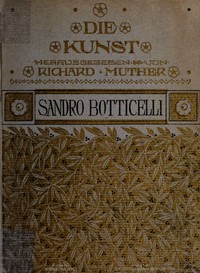
Botticelli by Emil Schaeffer
Emil Schaeffer's Botticelli isn't a dry list of paintings and dates. It's the story of a man and a moment. We meet Sandro Botticelli at the height of his fame in Florence, creating those iconic, flowing works for the powerful Medici family. His studio is busy, his reputation is golden, and his art celebrates classical myths and human beauty.
The Story
Then, everything shifts. A Dominican friar named Girolamo Savonarola rises to power, preaching that Florence's luxury and art are corrupting the soul. He holds massive 'Bonfires of the Vanities,' where people throw their fine clothes, books, and even paintings into the flames. The city is swept up in religious fervor. Botticelli, a man of deep faith, is caught in the middle. Schaeffer shows us an artist in crisis: Did his life's work celebrating pagan beauty suddenly become a sin? The book follows Botticelli's later years, as his style transforms. The graceful, confident lines of his youth give way to a more stark and intense religious focus. It's the portrait of an artistic soul wrestling with the biggest questions of his time.
Why You Should Read It
I loved this because it made Botticelli feel real. He's not just a name on a museum plaque. Schaeffer paints him as a complex person—proud yet devout, successful yet vulnerable to the fears of his age. You feel the tension of his dilemma. The book also brilliantly brings 1490s Florence to life. You can almost hear the crowds in the piazza and smell the smoke from the bonfires. It makes you understand how art doesn't exist in a vacuum; it's shaped by politics, fear, faith, and one preacher's very loud voice.
Final Verdict
This is a perfect pick for anyone who likes historical stories with personal stakes. It's for art lovers who want context beyond the canvas, and for readers who enjoy seeing how a single person navigates a society turning upside down. It's not a heavy academic text; it's a human-scale story about creativity under pressure. If you've ever wondered what it was actually like to be an artist in the Renaissance, start here.
Legal analysis indicates this work is in the public domain. It is available for public use and education.
Donna Miller
1 year agoSolid story.
Betty Walker
1 year agoWithout a doubt, it creates a vivid world that you simply do not want to leave. A true masterpiece.
Nancy Perez
10 months agoRecommended.
Joshua Walker
1 year agoHaving read this twice, the depth of research presented here is truly commendable. This story will stay with me.






John Davis
1 year agoI have to admit, the plot twists are genuinely surprising. Exactly what I needed.